What to Expect During Your Visit to an Auto Repair Shop
Navigating automotive care can often feel like a complex journey, especially when unexpected vehicle performance issues arise. Your vehicle is a vital component of daily routines, making routine visits to a professional auto repair shop an essential aspect of car ownership. Understanding the procedural structure of these service appointments can significantly minimize the stress often associated with automotive maintenance. This comprehensive guide details what occurs from the moment a vehicle enters a service facility to the final resolution of mechanical problems. By learning about the logistical operations, vehicle diagnostics, and clear communication strategies utilized within the industry, vehicle owners can approach their next maintenance appointment with total clarity and certainty.
Preparation and clear communication form the groundwork of a successful service appointment. Knowing how automotive professionals evaluate mechanical complaints allows car owners to interact more productively with service advisors. This article outlines the step-by-step progression of a standard service visit, detailing everything from preliminary consultations to post-service quality checks. Ultimately, gaining insight into these professional processes helps drivers oversee their automotive investments with greater efficiency. With the proper framework, visiting a service facility becomes a predictable, manageable routine that actively preserves the longevity and safety of your vehicle.
Preparing Your Vehicle
Organizing essential details before arriving at the auto repair shop can greatly improve the overall efficiency of your appointment. Drivers should begin by carefully documenting every symptom the vehicle exhibits, noting specific sounds, unusual smells, or operational changes. It helps to track precisely when these occurrences happen, such as during cold starts, acceleration, or highway cruising. Collecting past maintenance receipts, the owner's manual, and warranty paperwork also ensures the staff has immediate access to the service history of the vehicle.
Securing an appointment in advance helps the facility manage its daily workflow while reducing customer waiting times. During the initial scheduling conversation, it is highly beneficial to ask about general shop policies, basic inspection fees, and initial timelines. Evaluating your extended warranty coverage or insurance parameters prior to arrival prevents financial surprises when the final invoice is calculated. By taking these preparatory steps, car owners set the stage for an organized, transparent service experience that allows technicians to focus directly on the mechanical tasks at hand.
Consulting Service Advisors
The initial consultation at an auto repair shop establishes the baseline for the entire service experience. Upon arrival, vehicle owners meet with a dedicated service advisor who acts as the primary liaison between the customer and the technical repair team. The service advisor meticulously reviews the documented symptoms, translates owner observations into technical instructions, and registers the vehicle into the management system. This conversational stage is the ideal moment to describe performance changes clearly and ask preliminary questions regarding the shop's operational methods.
During this discussion, the service advisor will explain how the technicians plan to approach the vehicle's specific performance issues. They will outline potential systemic failures that match the described symptoms and establish tentative communication schedules. Understanding the expected timeline for the initial evaluation helps car owners coordinate alternative transportation for the day. This professional interaction ensures that the vehicle owner's concerns are fully documented, preventing miscommunications before any mechanical work begins on the shop floor.
Investigating Systemic Failures
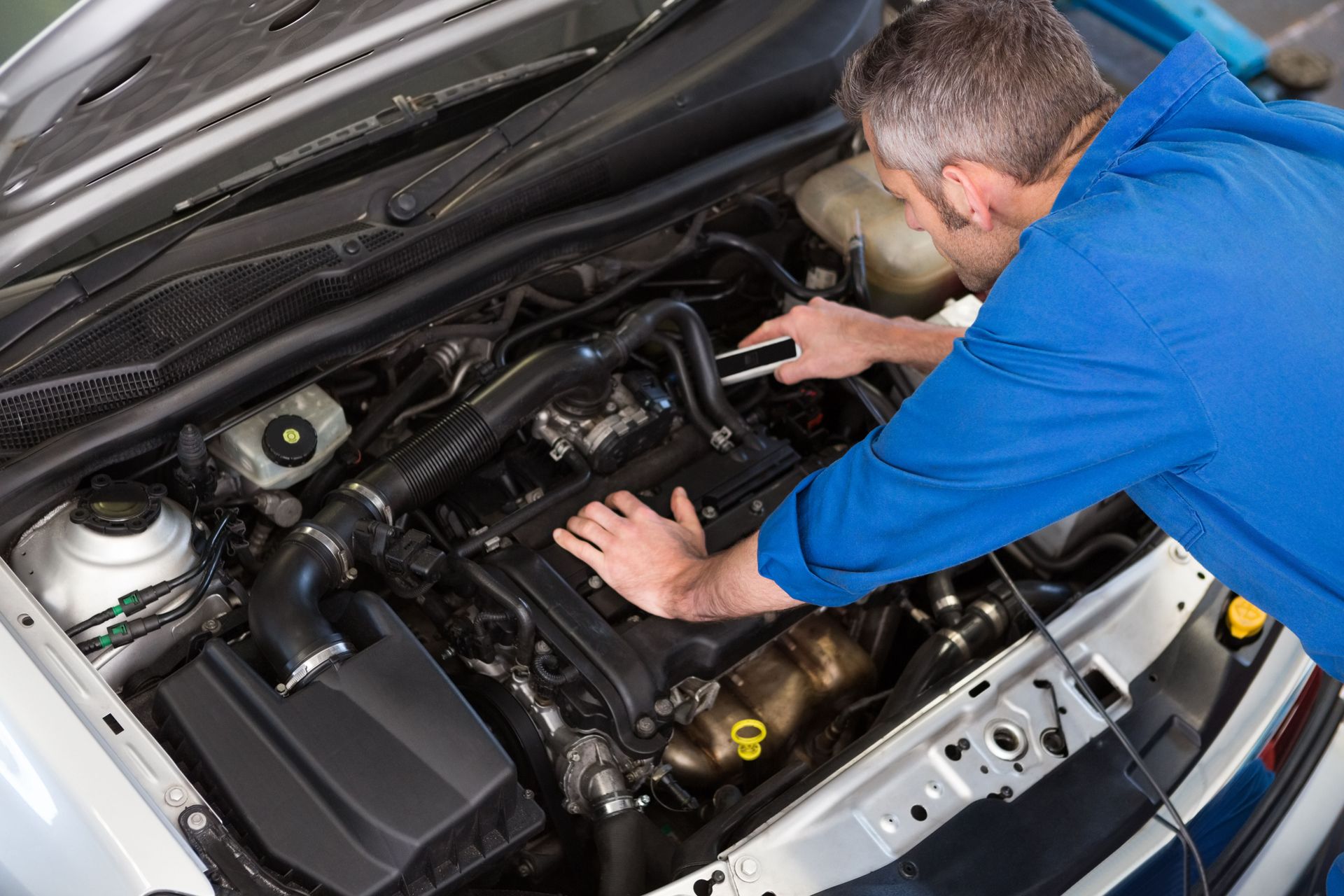
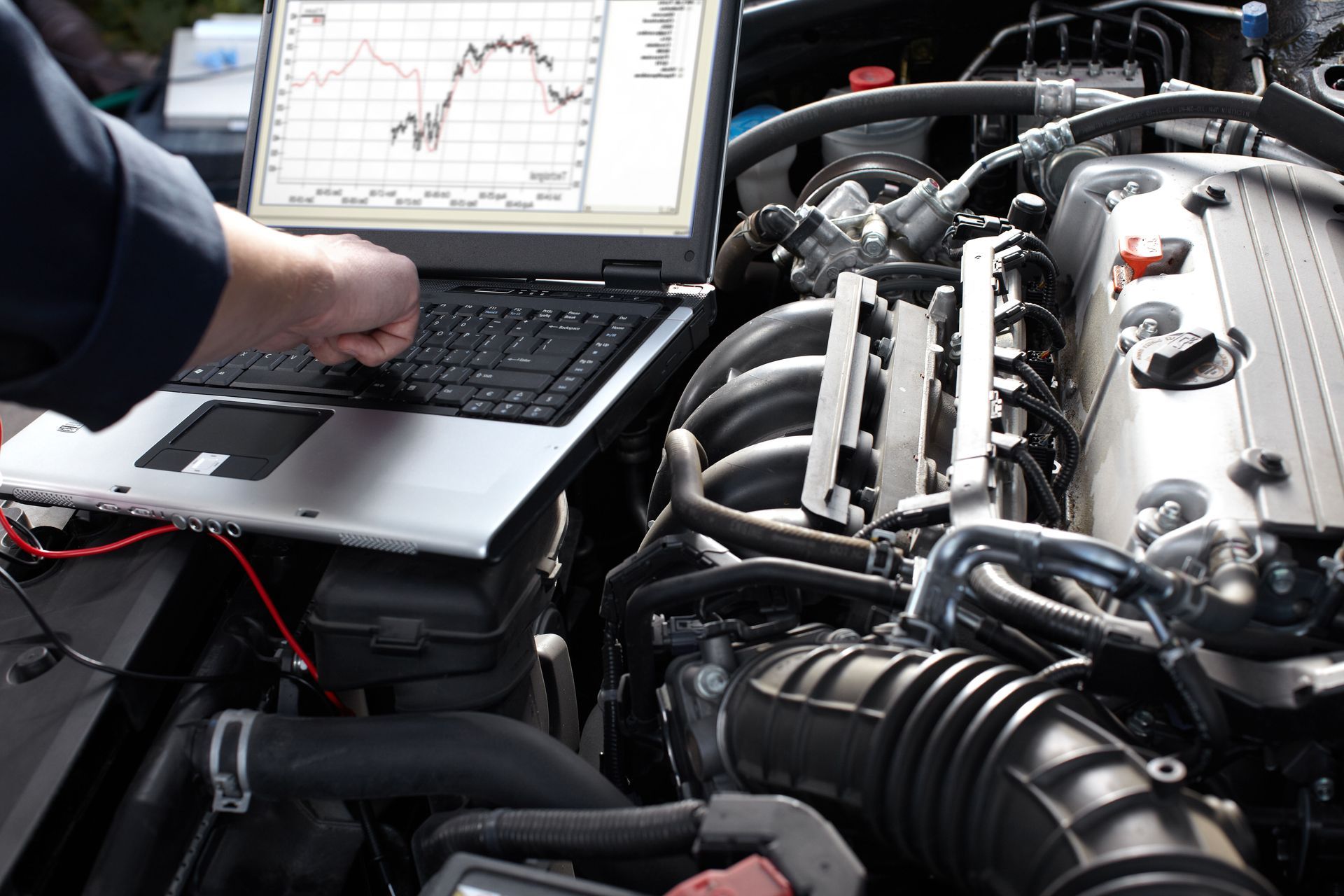
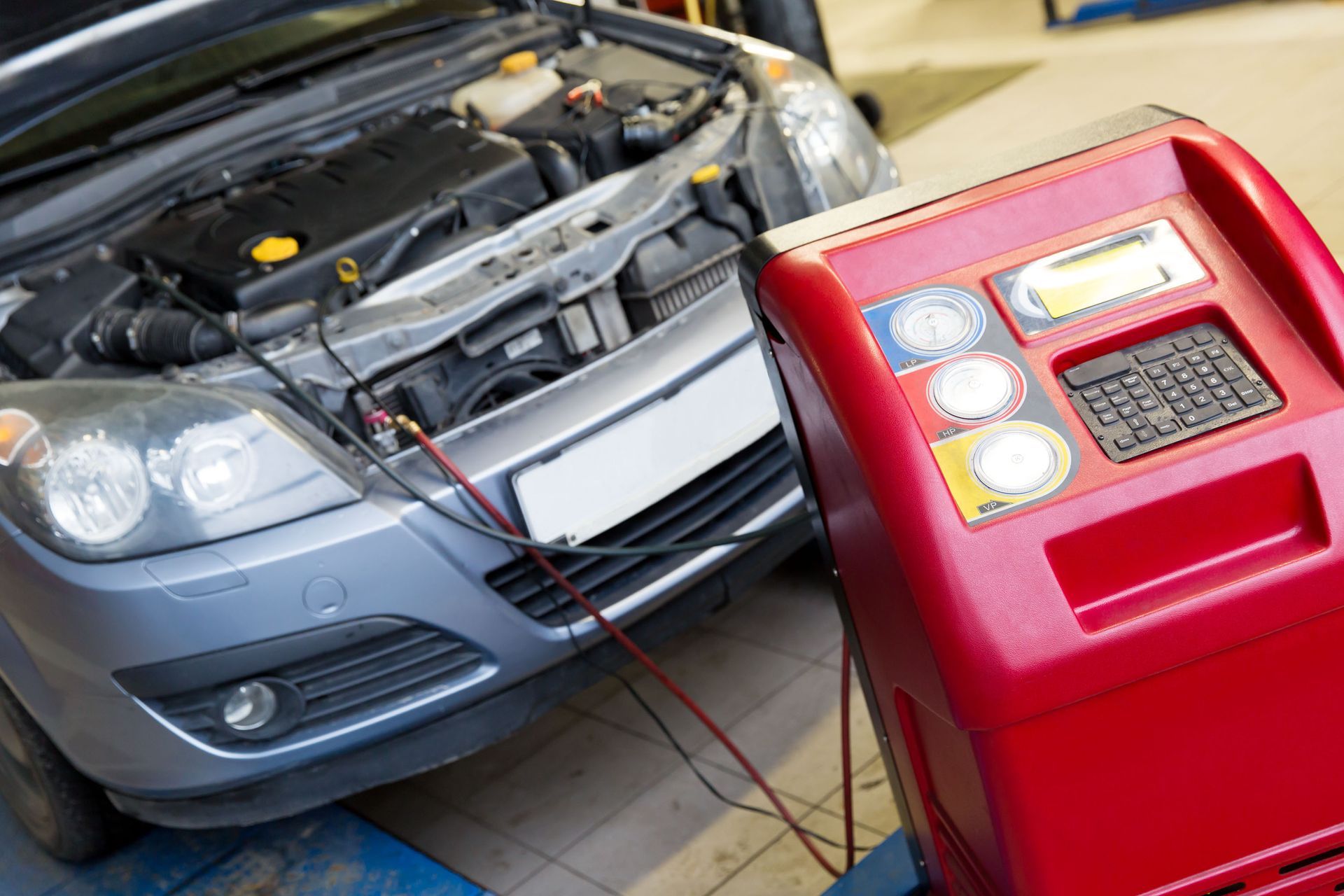
Accurate diagnosis is particularly important given that approximately 1-in-3 American drivers are affected by vehicle breakdowns, according to Look up a Plate. Investing time in a thorough diagnostic process ultimately results in more reliable vehicle performance and can help prevent future breakdowns. When a vehicle enters the diagnostic bay, specialized technicians employ advanced electronic scanners, physical measurements, and targeted system tests to identify root causes. This structured technical investigation prevents the unnecessary replacement of functional parts, targeting the actual source of mechanical or electrical failure.
Modern automotive digital architecture requires sophisticated technical instruments to read stored fault codes and track real-time sensor data accurately. Once the digital scans and physical inspections are complete, the auto repair shop compiles a detailed diagnostic report for the client. The service advisor then presents these precise findings, separating critical safety repairs from elective, preventative maintenance items. This comprehensive breakdown allows vehicle owners to make highly informed financial and mechanical decisions regarding their transportation assets.
Executing Mechanical Repairs
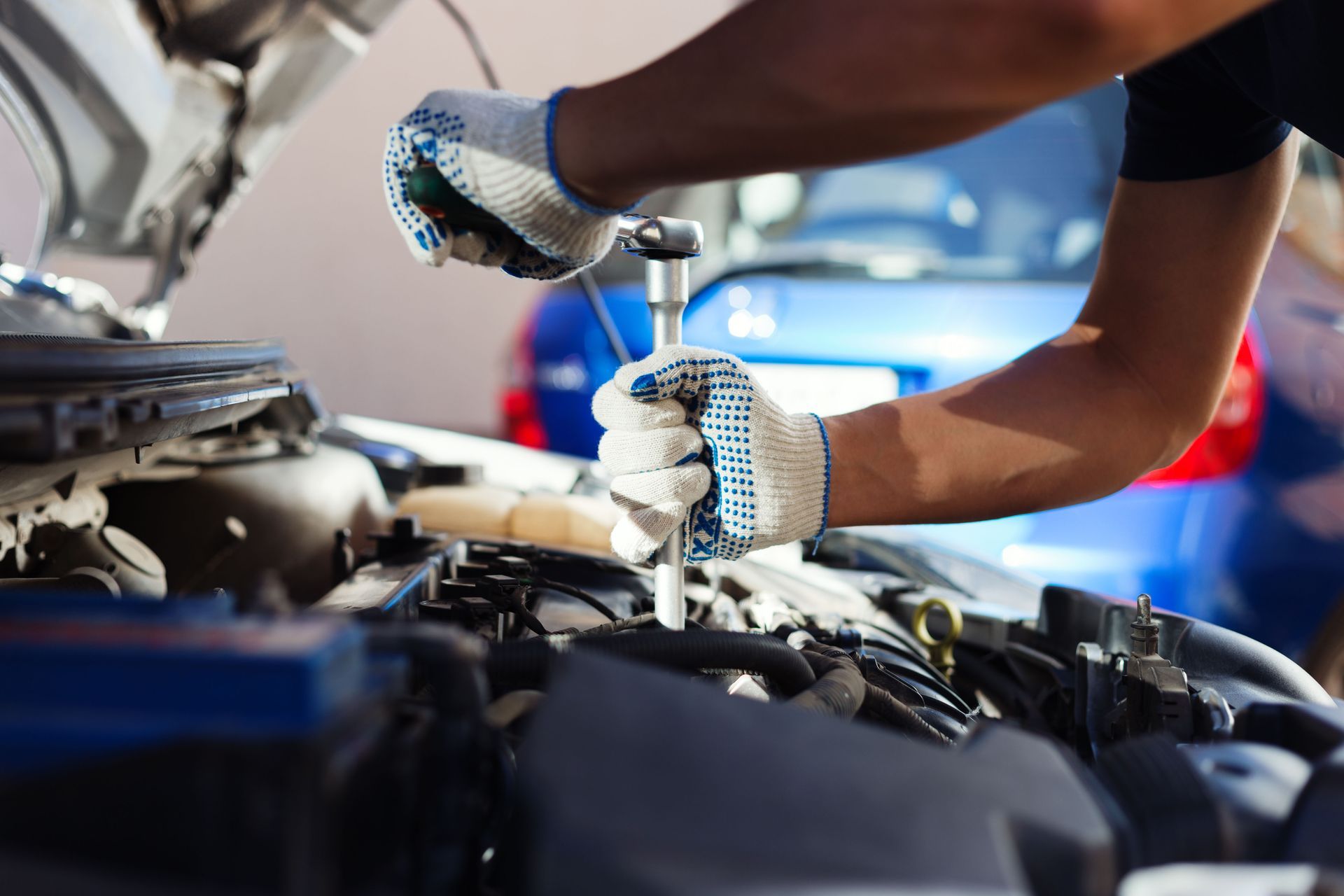
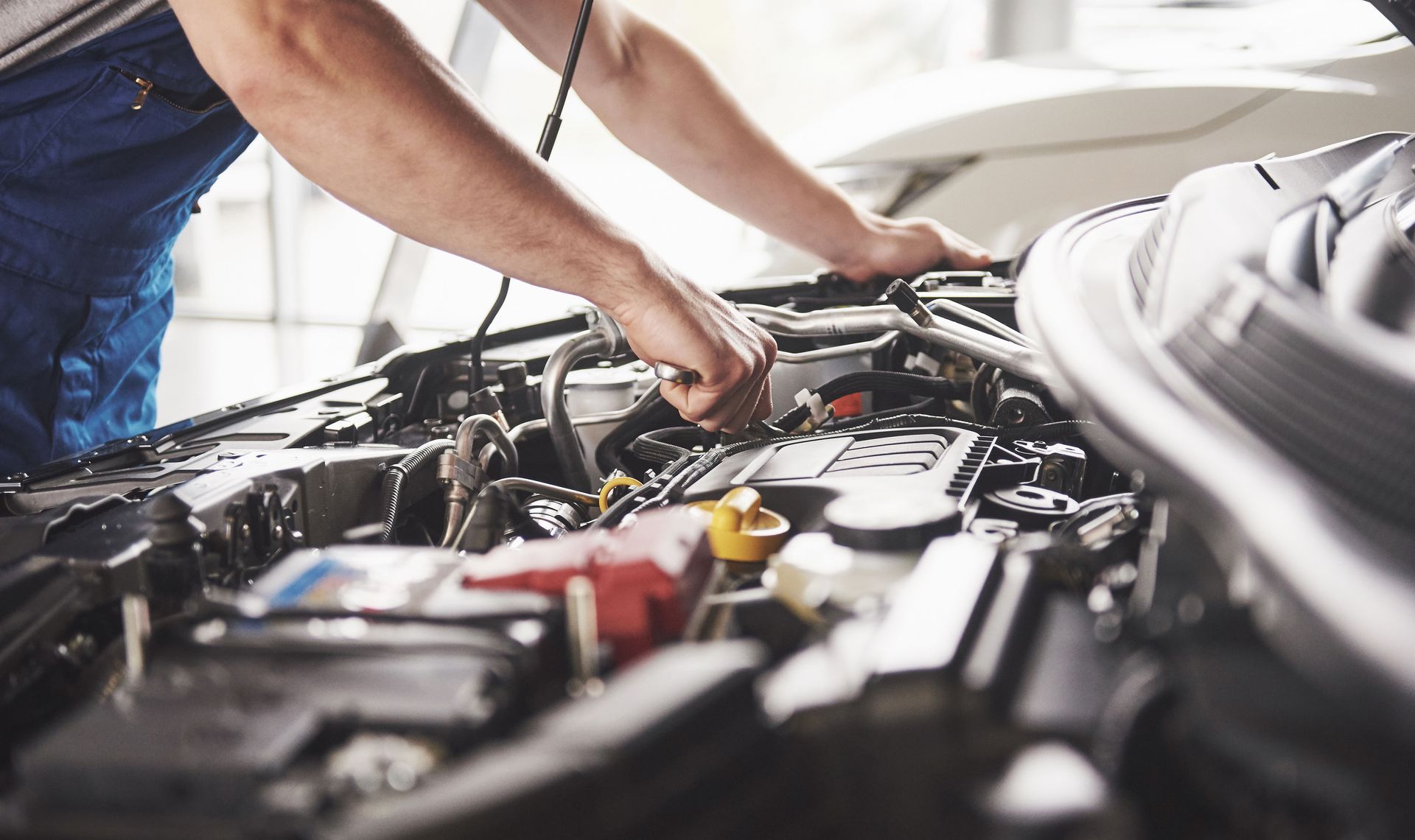
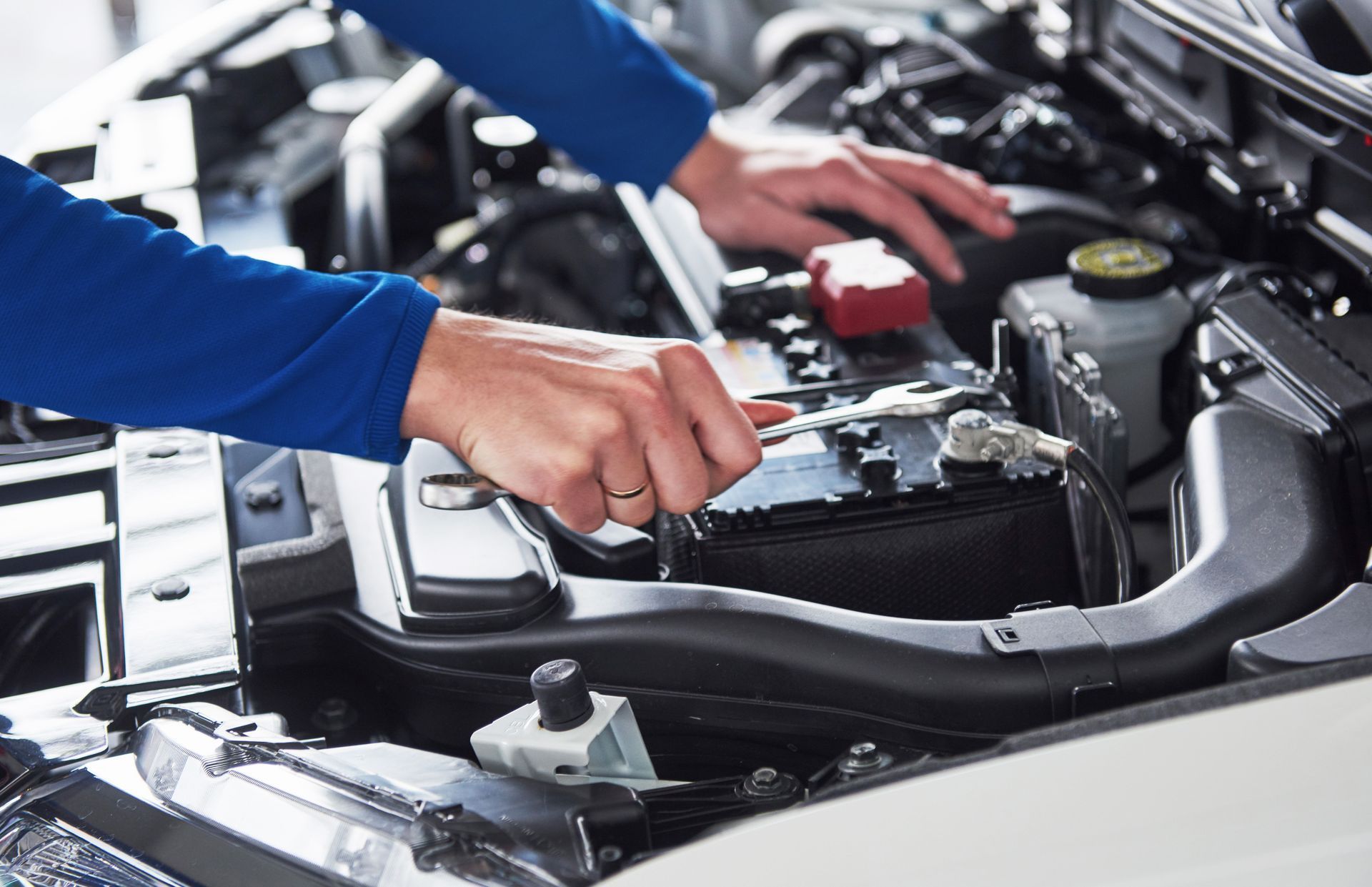
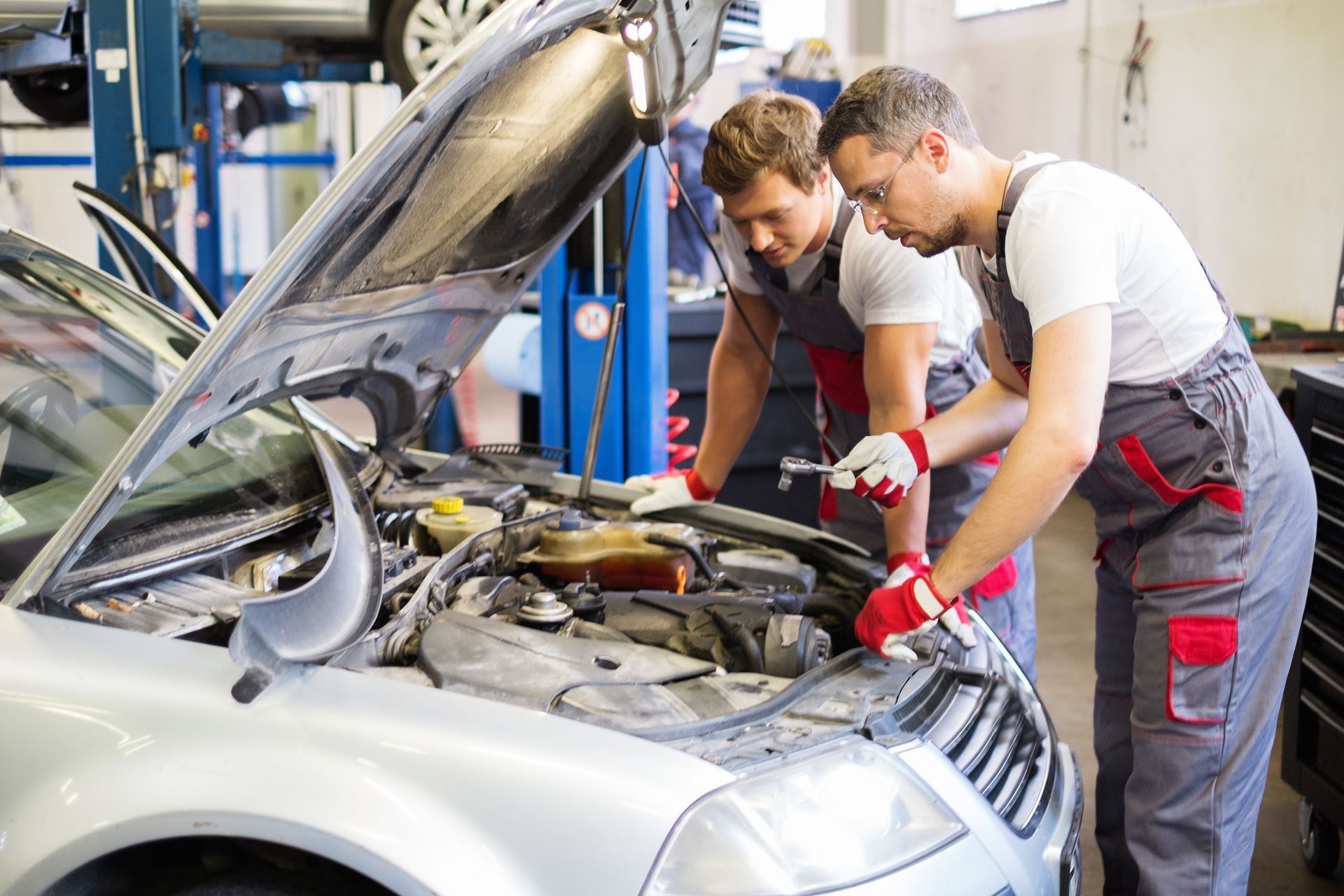
Once authorization is granted, the auto repair shop initiates the physical remediation of the identified mechanical faults. Certified technicians handle specialized tools and high-quality components to replace worn items, seal fluid leaks, or recalibrate intricate electronic networks. Vehicle owners are typically offered choices regarding the sourcing of components, such as choosing between original equipment manufacturer parts and reputable aftermarket alternatives. Each category carries distinct characteristics regarding cost, specific warranty periods, and structural compositions.
Service facilities monitor internal repair progress continuously to maintain alignment with the initial time estimates provided to the client. If technicians uncover additional underlying wear during the disassembly process, the service advisor contacts the owner immediately to explain the situation. No additional mechanical operations are performed without explicit customer approval, ensuring full transparency throughout the service cycle. This structured execution ensures that all mechanical work complies strictly with industry safety parameters and manufacturer specifications.
Finalizing Financial Invoices
The concluding phase of a professional service visit involves a meticulous review of the administrative paperwork and final expenses. The service advisor presents an itemized invoice that clearly separates labor costs, specific component prices, regional taxes, and environmental disposal fees. Car owners should examine this paperwork carefully, cross-referencing the listed charges with the pre-authorized repair estimates. This transparent review process provides an ideal opportunity to clarify any technical terms or specific itemized line entries before payment is processed.
Understanding the specific warranty protections applied to the newly installed components and shop labor provides long-term peace of mind. Most reputable service centers provide distinct mileage or time-based guarantees on their workmanship, ensuring protection against premature component failures. Payment transactions are finalized using flexible methods, which frequently include major credit options or specialized automotive financing arrangements. Completing this review ensures that all aspects of the transaction are mutually understood and successfully recorded in the vehicle's permanent history file.
Assessing Repair Quality
Before driving away from the facility, completing a personal inspection of the vehicle ensures total satisfaction with the completed work. Car owners can request a brief walk-through of the engine bay or undercarriage if major structural components were replaced during the visit. Performing a brief test drive in the immediate vicinity of the facility allows drivers to verify that previous noises, vibrations, or performance hesitations have been fully resolved. Testing the vehicle under real-world conditions confirms that the mechanical systems are operating exactly as intended.
Establishing a long-term professional connection with a local service facility simplifies future vehicle upkeep significantly. When a single facility maintains continuous records of a car's service history, future diagnostic processes become much more accurate and efficient. Drivers can collaborate with service advisors to draft an optimized preventative maintenance schedule based on manufacturer recommendations and personal driving habits. This proactive approach to automotive care reduces the likelihood of emergency failures and helps maintain the maximum resale value of the vehicle over time.
Approaching vehicle maintenance with a clear understanding of automotive service procedures transforms a potentially stressful event into a structured, manageable routine. From preliminary vehicle documentation to final invoice verification, every step in the process serves to protect both the consumer and the mechanical integrity of the machine. Utilizing a professional
auto repair shop ensures that complex diagnostic challenges and precise component installations are handled by certified experts using specialized equipment. By staying informed and maintaining clear lines of communication with service personnel, drivers can navigate the lifecycle of their vehicles with total confidence and minimal disruption to daily schedules. For exceptional automotive care, precise system diagnostics, and reliable mechanical solutions tailored to your vehicle's specific needs, partner with the expert team at Steve's Auto Body & Repair LLC for your next scheduled service appointment.



Share On: